


In a historic policy shift, the Bank of Japan (BOJ) has raised its benchmark interest rate by 25 basis points to 0.75%, marking the highest level in three decades. The move underscores Japan’s continued exit from years of ultra-loose monetary policy that defined its fight against deflation.
Markets widely anticipated the decision, but it still represents a major turning point for an economy that has spent years with near-zero or even negative interest rates.
Inflation and Wages Drive Bank Of Japan Policy Shift
According to a CNBC report, the Bank of Japan has raised its interest rate by 25 basis points to 0.75%, the highest it has ever been since 1995. At the heart of the BOJ’s decision is persistent inflation as the nation’s inflation rate remains higher than the central bank’s 2% target.
Further, this was supported by rising wages and stronger domestic demand as core consumer prices have remained elevated. In addition, recent labor negotiations have delivered pay increases that policymakers believe can sustain price stability over the medium term.
BOJ Governor Kazuo Ueda emphasized that monetary policy will remain data-dependent, noting that while rates have risen significantly, they may still be below a neutral level that neither stimulates nor restrains growth. He avoided committing to a fixed path for future hikes, reinforcing the central bank’s cautious approach amid global economic uncertainty.
Markets React as Yen, Bonds, and Cryptocurrencies Move
Financial markets responded swiftly to the announcement. The 10-year Japanese government bond yield jumped 5 basis points to 2.019% as investors adjusted to higher borrowing costs. Furthermore, the JGB yield increased by three basis points to 2.975%, marking the highest level both bonds have reached since 1999.
Additionally, equities also rallied, with the Nikkei 225 stock index posting a gain of 1.28%. Interestingly, the yen weakened against the U.S. dollar shortly after the decision, dropping 0.25% to 155.92, reflecting investor focus on global rate differentials rather than domestic policy alone.
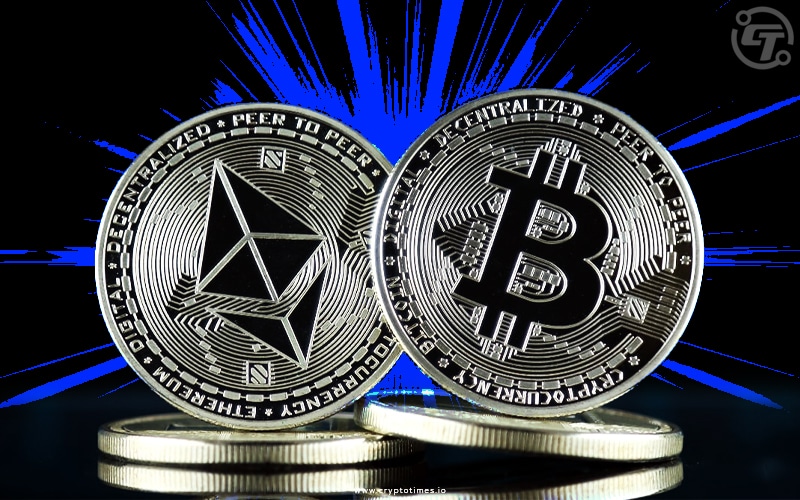
Meanwhile, the cryptocurrency market appears to be responding positively to the rate hike. Bitcoin, the world’s largest cryptocurrency, was trading around $85,000 before the rate spike but quickly rebounded to $87,000. The flagship asset extended its recovery in subsequent hours, climbing to as high as $88,100 ahead of press time.
Ethereum also posted modest gains, rising from $2,812 prior to the rate hike to a peak of $2,970. At press time, ETH was trading near $2,950.
Global Implications and What Comes Next
Although Japan’s interest rates remain low compared to other major economies, the symbolism of reaching a 30-year high is significant.
The shift could have ripple effects across global markets, particularly for investors who have long relied on cheap yen funding for carry trades. Looking ahead, economists expect further gradual tightening if inflation and wage growth remain on track.
The Bank of Japan is likely to move carefully to avoid disrupting growth. As Japan enters a new monetary era, global investors will be closely watching to see how the world’s fourth-largest economy adapts to higher rates.





 The CoinRemark Team
 Evans Kelvin