

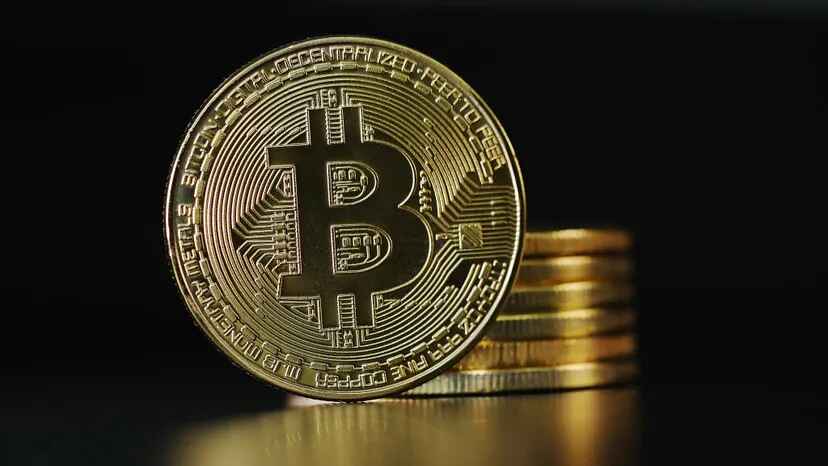
A Bitcoin address widely attributed to Bitcoin’s pseudonymous creator Satoshi Nakamoto received 2.5 BTC in a fresh on-chain transaction, while prediction market Polymarket assigns just an 8% probability that Nakamoto moves any coins in 2026. The transfer has revived conversations about whether the transfer is proof of life.
2.5 BTC Sent to Satoshi-Linked Address
Blockchain data from Arkham reveals that 2.5 BTC, worth over $150,000, was sent to a Bitcoin wallet believed to belong to Satoshi Nakamoto. Meanwhile, the address, widely recognized as part of the early mined blocks attributed to Bitcoin’s pseudonymous creator, remains inactive in terms of outbound transactions.
Even so, the transfer, and any others involving Satoshi-linked wallets, tend to attract significant attention due to the estimated 1 million BTC attributed to early mining activity. At the moment, Satoshi’s BTC holdings, totaling 1.096 million BTC, are currently valued at $76.18 billion.
These coins have remained untouched since the early mining era, effectively removing a meaningful portion of supply from active circulation. A confirmed dormancy break from one of these Satoshi-era wallets now would represent one of the largest potential supply shocks in Bitcoin’s history, potentially affecting exchange balances, derivatives positioning, and spot liquidity conditions.
Polymarket Shows Low Probability of Bitcoin Movement
Meanwhile, investors and analysts place very little chance that Satoshi will move any coins in 2026. Polymarket’s active contract titled “Will Satoshi move any Bitcoin in 2026?” currently has an 8% probability of movement, with reported trading volume near $953,000.
The odds suggest bettors are keeping long-term supply assumptions intact. Bitcoin’s float, particularly the liquid supply held on exchanges, remains structurally constrained compared to total outstanding supply. In recent years, the structural dynamics have shifted toward tighter float conditions, with long-term holders and institutional vehicles absorbing significant amounts of newly mined BTC.
Last week’s crash further heightened Bitcoin accumulation by whales and institutions, and prompted a subsequent price recovery from the sheer volume of buy orders around the $60,000 support. Against this backdrop, the theoretical re-entry of early coins would alter liquidity assumptions, particularly during periods of heightened volatility.
For now, the inbound transfer does not change those mechanics. No new supply has been introduced to exchanges, and there is no indication of distribution. Nevertheless, market participants will continue to watch closely to promptly treat any confirmed outbound transfer from Satoshi-era wallets as a structural event.




 The CoinRemark Team