

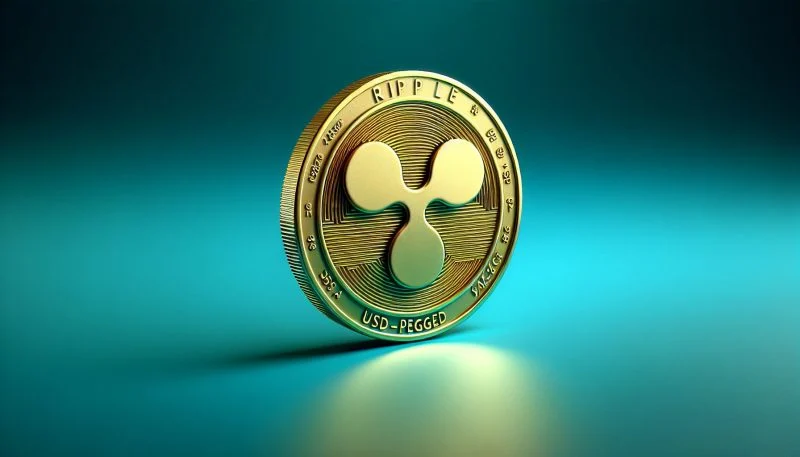
Ripple has announced that its USD-backed stablecoin, RLUSD, is now live on Binance with full support for the XRP Ledger (XRPL), marking a significant milestone for both the stablecoin and the broader XRP ecosystem. The move aligns with Ripple’s broader strategy of expanding real-world utility across XRPL.
Ripple disclosed on X that RLUSD deposits and withdrawals are fully supported on the exchange, but withdrawals will open only once there is sufficient liquidity. The move gives Binancians direct access to the stablecoin using XRPL’s native infrastructure rather than relying on wrapped or bridged alternatives.
What Ripple’s RLUSD Brings to the Table
RLUSD is Ripple’s dollar-pegged stablecoin issued directly on the XRP Ledger. Designed for high-speed settlement and low transaction costs, it leverages XRPL’s long-standing reputation for efficient payments and cross-border transfers. Thus, RLUSD transactions typically settle in seconds and cost fractions of a cent, making it structurally attractive for payments, remittances, and on-chain liquidity provisioning.
Ripple also positions RLUSD as a compliant and institution-ready stablecoin aimed at strengthening XRPL’s financial infrastructure. By expanding its availability to Binance, one of the largest cryptocurrency exchanges by trading volume, RLUSD gains exposure to a global trading base and deeper market liquidity.
Exchange support also tends to signal operational maturity. Thus, RLUSD’s integration on Binance suggests that Ripple’s stablecoin infrastructure meets the technical and compliance requirements of major centralized platforms.
Ripple Strengthens its Stablecoin Infrastructure
Stablecoins play a central role in modern crypto markets. They provide a pricing anchor, enable collateralization, and facilitate efficient settlement between volatile assets. While XRPL has historically been known for payments, the addition of a native, widely supported stablecoin strengthens its position as a broader financial layer.
As stablecoins increasingly bridge traditional finance and crypto infrastructure, RLUSD could play a role in tokenized asset settlement and enterprise-grade payment flows. With RLUSD now available on Binance, XRPL-based applications gain a more liquid base asset for decentralized exchange activity and liquidity pools. Developers building on XRPL can integrate RLUSD into lending protocols, automated market makers, and cross-border payment tools without relying on external chains.
Looking ahead, further exchange integrations and expanded use cases could determine whether RLUSD becomes a central liquidity asset within XRPL’s ecosystem. For now, the Binance launch represents a meaningful step toward expanding stablecoin functionality across one of crypto’s longest-running networks.
Meanwhile, the XRP price is still trading sideways between $1.35 and $1.40, but the community hopes that the RLUSD development will redirect attention to the crypto.






 Evans Kelvin