


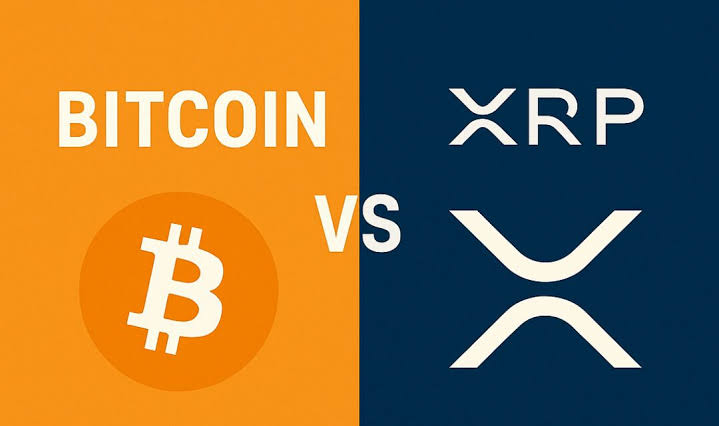
Growing concerns around quantum computing are prompting fresh scrutiny of blockchain security models. New expert analysis suggests XRP may have a structural advantage over Bitcoin in mitigating future quantum-based threats, particularly in how wallets handle key exposure.
XRPL Validator Highlights Minimal XRP Exposure
A validator on the XRP Ledger, identified as Vet, has asserted in a recent X post that XRP is significantly less exposed to quantum computing risks than Bitcoin. According to Vet, this conclusion followed a detailed audit that revealed that only about 0.03% of XRP’s total supply is potentially vulnerable. For perspective, the validator noted that roughly 21 million XRP held across two inactive whale accounts fall into this category.
The audit further showed that over 300,000 accounts, collectively holding around 2.4 billion XRP, have never executed a transaction. As a result, these accounts have never exposed their public keys, making them effectively immune to quantum-based exploits under current assumptions. Vet also emphasized that XRP’s architecture provides an additional layer of protection through its support for signing key rotation.
This feature enables users to change the cryptographic key controlling their account without transferring funds to a new address, thereby avoiding the exposure risks typically associated with such movements. Additionally, the XRPL includes escrow time-lock functionality that restricts access to funds until predefined conditions are met, further strengthening its security posture.
Bitcoin’s Legacy Design Raises Exposure Concerns
Bitcoin, on the other hand, relies in part on older P2PK (pay-to-public-key) address formats, which directly expose public keys once a transaction is made. Unlike the XRP Ledger, Bitcoin does not support key rotation, limiting users’ ability to update compromised or aging cryptographic keys without moving funds.
As a result, experts estimate that roughly 35% of Bitcoin’s total supply, about 6.9 million BTC, is currently exposed to potential quantum threats. This represents more than one-third of all Bitcoin ever mined. Compounding the issue is the presence of a large number of dormant wallets, including those attributed to Satoshi Nakamoto, which hold 1.1 million of the circulating supply and may be especially vulnerable if their keys have been previously revealed.
Additionally, each time a Bitcoin transaction is initiated, the associated public key becomes visible for a short confirmation window, typically around 10 minutes. While current computing limitations make exploitation impractical, experts warn that sufficiently advanced quantum systems could, in theory, use this window to attempt key derivation and compromise accounts.
Quantum Defense Efforts Underway for Both Networks
Despite XRP’s current advantages, Vet cautioned that features like signing key rotation and escrow protections are not permanent solutions to the quantum threat. He emphasized that these measures serve as interim safeguards, noting that the ecosystem is expected to transition to fully quantum-resistant cryptographic algorithms in the long term to ensure long-term security.
On the Bitcoin side, efforts to address the looming risk are also gaining traction. Notably, a Bitcoin developer, Olaoluwa Osuntokun, who is the CTO of Lightning Labs, has reportedly built a prototype quantum defense mechanism aimed at protecting wallets from future attacks
While still in its early stages, the development signals growing awareness within the Bitcoin community and a willingness to explore advanced cryptographic upgrades. As quantum computing continues to evolve, both XRP and Bitcoin appear to be preparing for a future where traditional encryption methods may no longer suffice, setting the stage for a new phase of blockchain security innovation.







 The CoinRemark Team
 Evans Kelvin