

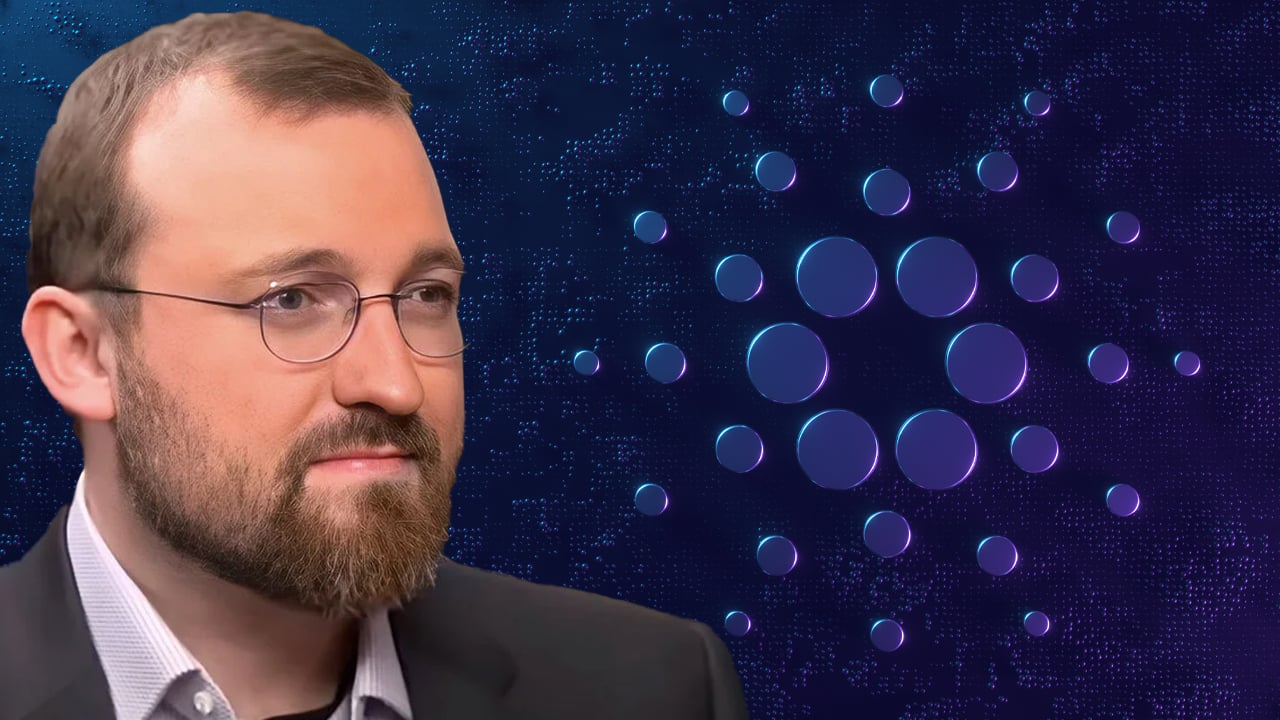
Cardano is entering what its founder Charles Hoskinson describes as a new era of interoperability. Long viewed as operating somewhat independently from other major blockchain ecosystems, the network is now positioning itself at the center of cross-chain innovation, prompting Hoskinson to declare that Cardano is “no longer an island.”
Cardano Embraces Cross-Chain Expansion
Hoskinson recently stated in a post on X that integration with LayerZero will connect Cardano to more than 80 blockchains. As a result, he argued that the network will no longer operate in isolation.
Notably, he explained that the LayerZero integration will make Cardano highly interoperable, enabling it to move not just liquidity, but also users across chains. He had earlier unveiled the strategic partnership earlier this month during the Hong Kong Consensus event.
Importantly, the collaboration allows Cardano to tap into LayerZero’s infrastructure to bring Circle’s private stablecoin USDCx to the network, strengthening liquidity and cross-chain functionality.
Cardano Founder Says Trump Should Sack David Sacks if CLARITY Act Doesn’t Pass in Q1 2026
What LayerZero Means for Cardano
Cardano SPO Jaromir Tesar also provided deeper insight into the integration in a recent X post. According to Tesar, LayerZero acts as a decentralized messaging layer that enables different blockchains to communicate directly and securely.

While cross-chain bridges already allow asset transfers, Tesar described LayerZero as the next evolutionary step in interoperability. Beyond moving tokens, it enables the transfer of function calls, arbitrary data, governance instructions, liquidation triggers, swap instructions, as well as mint and burn commands.
This significantly broadens the scope of what decentralized applications can do across networks. LayerZero deploys endpoints on each blockchain that serve as standardized messaging connectors. It relies on two independent controllers, a Relayer and an Oracle, to verify that cross-chain messages are valid before execution.
Meanwhile, LayerZero also has an Omnichain architecture that allows a single unified application to operate across multiple chains simultaneously, unlike traditional multichain apps that are deployed separately with fragmented liquidity. However, Tesar emphasized that success ultimately depends on developers building applications and providing liquidity to fully leverage the integration.





 The CoinRemark Team
 Evans Kelvin