

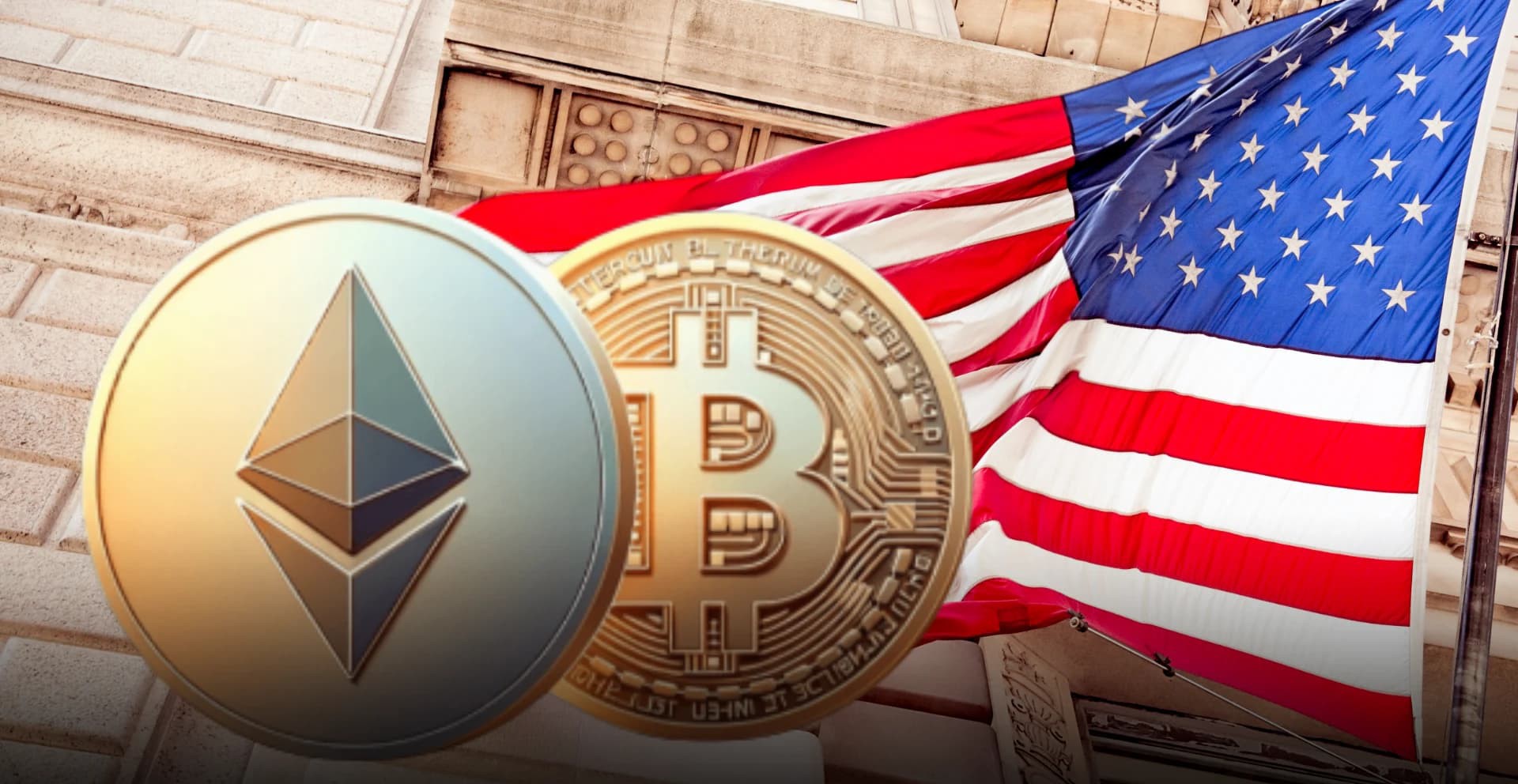
In today’s crypto update, the U.S. government has transferred seized Ethereum linked to anabolic steroids distributor Glenn Olivio to Coinbase Prime. The latest move comes weeks after authorities also moved Bitcoin tied to the same case, as officials continue discussions around the upcoming U.S. Strategic Bitcoin Reserve.
US Government Moves Seized Ethereum to Coinbase
Market intelligence platform Arkham Intelligence reported that the US government recently moved 3.233 ETH, worth over $7,600, to a Coinbase Prime wallet. Interestingly, the Ethereum forms part of the funds seized from anabolic steroid distributor Glenn Olivio.
Further, the latest movement comes just three weeks after the U.S. government transferred over 2 BTC worth approximately $177,000 from the same seized assets to Coinbase. The repeated transfers have attracted attention from blockchain analysts closely monitoring government-linked wallets.
Meanwhile, despite the latest transfers, the US government still holds over 328,000 BTC, valued at around $26.59 billion, and more than 62,000 ETH, worth roughly $145.56 million, alongside several other digital assets. The holdings continue to position the government among the world’s largest institutional crypto holders.
Strategic Bitcoin Reserve Update Expected Soon
Meanwhile, the latest crypto movement comes shortly after White House digital asset adviser Patrick Witt revealed that an update regarding the upcoming US Strategic Bitcoin Reserve could arrive within the next few weeks. Witt made the statement while speaking at the CoinDesk Consensus Conference on May 6, 2026.
During the conference, Witt cited a recent exploit involving digital assets held by the U.S. Marshals Service as a major reason for centralizing custody operations. Bloomberg reported in January that the Marshals Service was investigating a possible hack tied to government digital asset accounts after on-chain investigator ZachXBT claimed a hacker stole more than $60 million in late 2025, including funds linked to government seizure wallets.
Witt also clarified that the reserve would not automatically absorb every newly seized crypto asset. According to him, cryptocurrencies tied to active legal proceedings would remain in pending status until forfeiture processes are completed. He further noted that some assets could first be returned to victims through restitution before eventually being transferred into the Bitcoin reserve or a separate stockpile expected for other digital assets.
Government Wallet Activity Continues to Draw Attention
Investors continue to monitor government-controlled wallets as regulators and law enforcement agencies deepen their involvement in the digital asset sector. Several wallet movements tied to seizures have historically preceded auctions or fund consolidations.
The US government has previously auctioned confiscated Bitcoin from criminal investigations, including assets seized from Silk Road and other illicit operations. Those sales have often influenced broader market sentiment and short-term price expectations.
Meanwhile, blockchain intelligence firms continue to expand efforts to track wallet activity linked to government agencies. As crypto adoption grows globally, on-chain transparency allows traders and analysts to quickly identify and react to even relatively small government-linked transfers.





 The CoinRemark Team
 Evans Kelvin