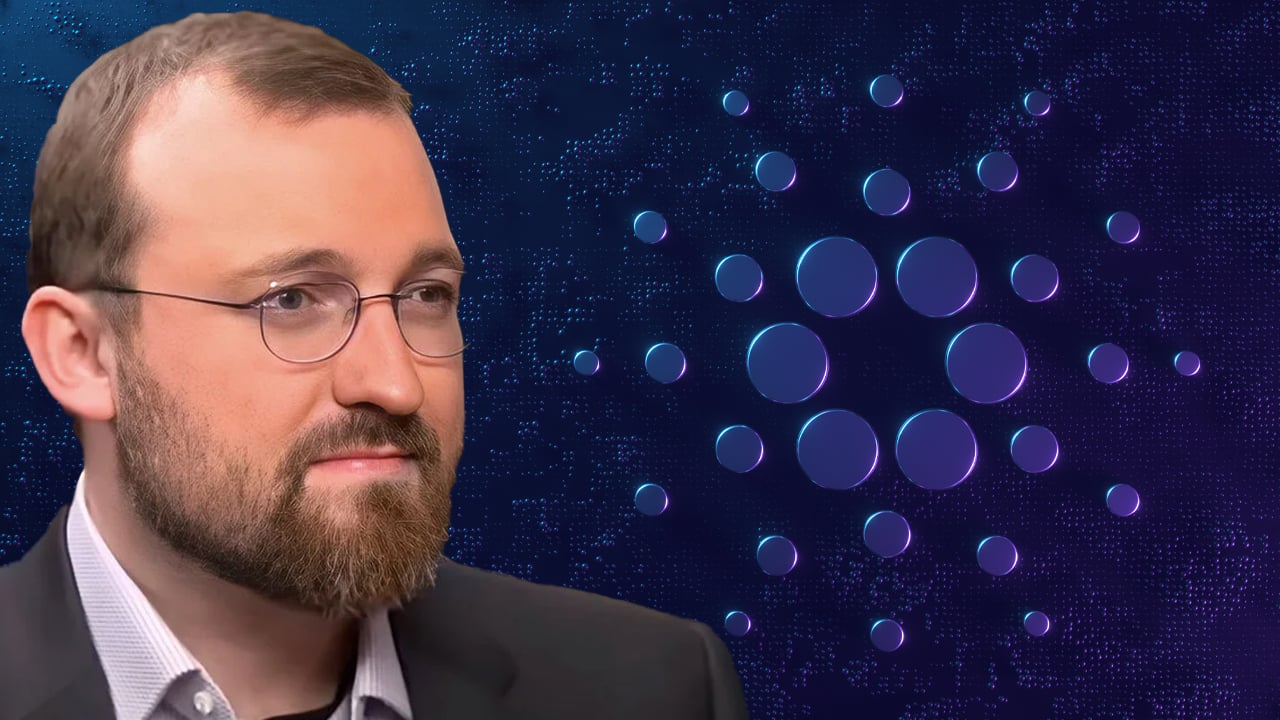
Cardano founder Charles Hoskinson has set a clear target for ADA. During a recent X Space conversation, he stated his wish for Cardano to win and become #1 on CoinMarketCap. Additionally, he emphasized that Cardano must continue to invest in its technology to reach this ambitious target.
The remark was not framed as a distant aspiration. Instead, Hoskinson tied it directly to Cardano’s current development phase, describing 2026 as the year of “finishing what we started.” That framing aligns with a fresh set of treasury proposals and a defined upgrade roadmap now moving through the network’s governance system.
Cardano Builds on Early Innovations
In his comments, Hoskinson pointed to what he sees as Cardano’s long-standing technical edge. According to him, the network was among the first to implement liquid non-custodial staking. Additionally, they introduced the Extended UTXO (EUTXO) model, which offers a different approach to smart contract execution compared to account-based systems.
In his view, these innovations place Cardano ahead of the curve, even if the market has not fully reflected their value. At press time, ADA was trading at $0.2468, having oscillated between the $0.24-$0.26 range this week. Despite brief attempts at recovery earlier in the month, the asset remains well below key resistance levels near $0.30. The current phase, therefore, is about fully realizing and scaling what has already been built.
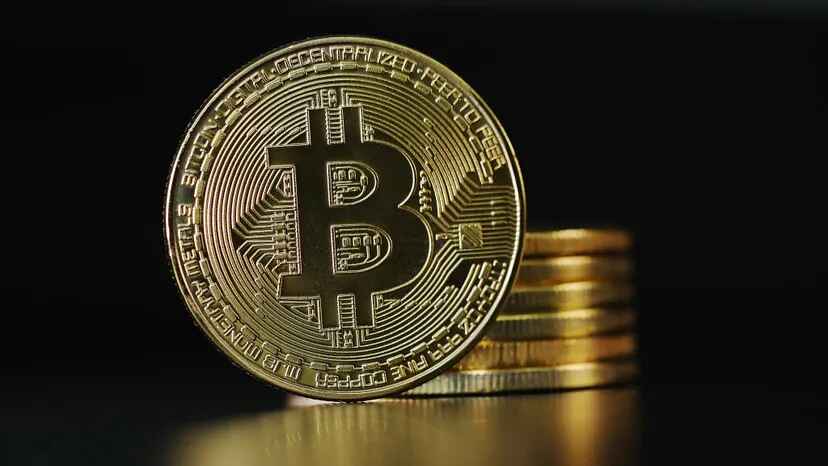
At the moment, Cardano occupies the 13th position in the global crypto ranking and is valued at $8.89 billion. Becoming the number 1 crypto means ADA will need to surpass Bitcoin’s market cap, which would translate to a rally of 17,400%.
IOG Outlines 2026 Treasury Proposals
Hoskinson’s comments come as Input Output Global, Cardano’s core development arm, rolls out its 2026 treasury proposals. The organization has submitted nine proposals this year, with a funding request set at just under half of last year’s budget.
The reduced funding aligns with Hoskinson’s gravitation toward fully realizing Cardano’s technical capabilities. Rather than expanding the scope, the focus is on delivering upgrades already in motion. Voting is currently open through Cardano’s decentralized governance system, with DRep participation set to close on May 24. This combination of ambition and structured execution forms the backbone of Hoskinson’s Number One target.
Governance as a Differentiator
A central part of Hoskinson’s argument lies in governance. He contrasted Cardano’s evolving on-chain governance system with Bitcoin’s more informal structure. Bitcoin, while highly decentralized, lacks a formalized decision-making framework, which can complicate coordination on major upgrades. For instance, despite the pertinent need for post-quantum security, Bitcoin does not yet have a structure for implementing network upgrades to that effect.
Cardano, by contrast, now operates with a governance model that allows stakeholders to propose, debate, and vote on changes through DRep participation. According to Hoskinson, this structure provides a clearer path for implementing complex upgrades, especially as the industry begins preparing for long-term challenges such as quantum computing.
Incidentally, Cardano’s 2026 roadmap prominently includes the Leios upgrade. The upgrade is expected to significantly improve the network’s performance and scalability. While maintaining the network’s security model, users will experience faster throughput and efficiency on the Leios upgrade. The Leios testnet is scheduled for June, with a mainnet launch targeted by the end of 2026.
These improvements are not incremental. They are part of a broader effort to transition Cardano into its next phase. Moving forward, increased performance, usability, and adoption will define the trajectory. Hoskinson hopes these will put Cardano at the top of CoinMarketCap’s rankings.



 The CoinRemark Team
 Evans Kelvin