
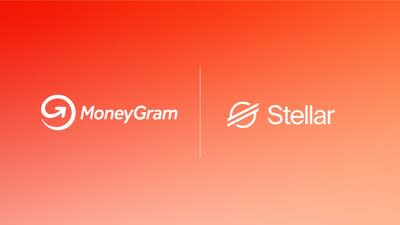
MoneyGram has launched MGUSD, a U.S. dollar-backed stablecoin on the Stellar network. The move gives the company’s more than 60 million customers access to digital dollar transfers across its global payments infrastructure.
The launch marks another step in MoneyGram’s push into blockchain-powered payments. It also deepens the company’s relationship with Stellar, a network designed for fast and low-cost cross-border transactions.
MoneyGram Introduces MGUSD
MoneyGram unveiled MGUSD as a fully backed U.S. dollar stablecoin. The asset operates on the Stellar network and serves as a digital representation of the U.S. dollar. To support the launch, MoneyGram partnered with several industry players. Bridge, a Stripe company, serves as the regulated issuer, while M0 provides the on-chain infrastructure for minting and burning MGUSD tokens.
Additionally, MGUSD will be integrated directly into the MoneyGram app through a self-custodial wallet, giving customers access to a stable dollar-denominated balance. The company also uses Fireblocks wallets to hold and distribute the stablecoin to users.
Meanwhile, the stablecoin launched in the U.S. market on June 2, with plans to expand globally over time. Commenting on the development, MoneyGram Chairman and CEO Anthony Soohoo said MGUSD was built for billions of people around the world who have limited access to traditional financial services. He added that the company is using stablecoins as a foundation to build future applications across its global network, starting with MoneyGram’s distribution platform.
Stellar Powers Global Reach
MoneyGram selected Stellar as the foundation for the new stablecoin. The network has built a reputation for handling low-cost and near-instant transactions. The partnership is not new. MoneyGram and Stellar have collaborated on several blockchain-based payment initiatives over the past few years. Their collaboration has focused on improving remittances and cross-border transfers.
By launching on Stellar, MGUSD can leverage an established blockchain infrastructure. The network’s focus on financial inclusion also aligns with MoneyGram’s goal of expanding access to digital financial services. Interestingly, the latest rollout comes shortly after Stellar secured a strategic partnership with the Depository Trust & Clearing Corporation (DTCC).
The collaboration aims to tokenize depository trust assets on the Stellar network, with the initiative expected to launch in the first half of 2027. The development further highlights growing institutional confidence in Stellar’s blockchain infrastructure. It also underscores the network’s expanding role in bridging traditional financial markets with digital asset technology.
Stablecoin Adoption Gains Momentum
MoneyGram’s move comes as stablecoins take center stage in the crypto market. Banks, payment providers, and fintech firms are increasingly exploring the technology to scale cross-border payments. Amid this growing interest, global banking giant Citi projected that the stablecoin market could expand from roughly $300 billion today to as much as $4 trillion by 2030.
Interestingly, several major financial firms have already begun positioning themselves in the sector. SoFi recently unveiled its in-house stablecoin, SoFiUSD, while companies such as PayPal and Western Union have partnered with crypto infrastructure providers, including Paxos and Anchorage Digital, to offer stablecoin-related services to customers.
Against this backdrop, MoneyGram’s entry into the stablecoin sector reflects a broader industry shift toward blockchain-powered payments. The company serves more than 60 million customers and operates nearly 500,000 retail locations worldwide. This global reach gives MoneyGram a strong foundation to accelerate mainstream stablecoin adoption. It could also help expand access to digital financial services across its international network.




 The CoinRemark Team
 Evans Kelvin