

In the latest crypto update, Binance founder Changpeng Zhao (CZ) has reignited the debate over cryptocurrency custody after suggesting that storing digital assets on centralized exchanges (CEXs) may be statistically safer than self-custody based on available loss data.
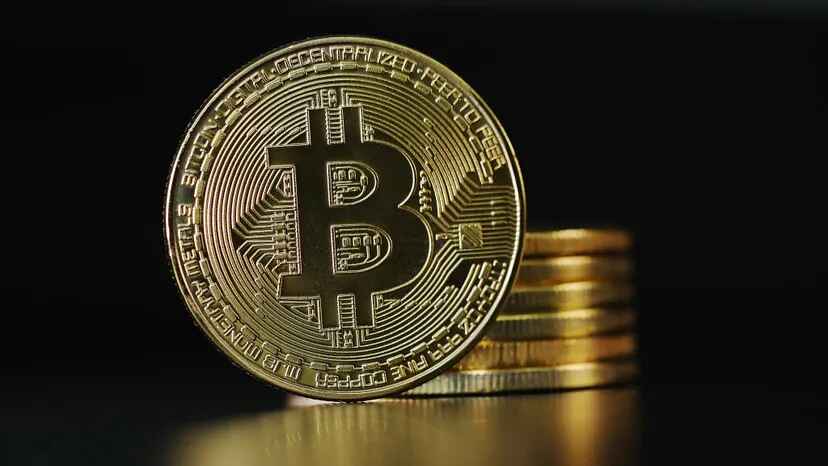
CZ made the remarks while responding to market analyst Willy Woo, who shared figures indicating that approximately 1.57 million BTC have been lost through self-custody mistakes, compared to about 1.51 million BTC lost in exchange hacks.
Public Data May Understate Self-Custody Losses
Although Woo has long championed self-custody, CZ argued that the available data appears to favor centralized exchanges from a purely statistical standpoint. However, CZ emphasized that comparing exchange-related losses with self-custody losses is far more complex than the headline figures suggest.
He explained that exchange hacks usually attract significant media attention, making them relatively easy to document and track. By contrast, many self-custody losses, including stolen wallets, compromised seed phrases, forgotten private keys, and other user mistakes, often remain unreported.
Consequently, CZ suggested that the actual amount of cryptocurrency lost through self-custody could be considerably higher than publicly available estimates indicate.
Failed Exchanges Distort Historical Statistics
In addition, he noted that historical exchange loss data includes several bankrupt or defunct cryptocurrency exchanges whose security practices differed substantially from those of today’s leading trading platforms.
According to him, these failed exchanges inflate the cumulative amount of BTC lost on centralized platforms, potentially creating a misleading comparison with modern exchanges.
At the same time, he pointed out that Binance and several other major exchanges have reimbursed users after exchange-side security breaches. As a result, customers often recovered their funds despite the hacks, reducing the financial impact of those incidents.
Despite arguing that exchange custody may appear statistically safer, CZ stopped short of declaring centralized exchanges the better option. Instead, he stressed that both exchange custody and self-custody come with distinct risk profiles, and users should understand the trade-offs before deciding how to store their digital assets.
Coldcard Incident Renews Self-Custody Debate
CZ’s comments follow renewed concerns about self-custody security after reports involving the Coldcard wallet ecosystem.
According to Galaxy Research, a recent incident linked to a Coldcard compromise resulted in the theft of 2,055 BTC, valued at around $130 million, and affected more than 7,700 wallet addresses.

The incident has reignited industry-wide discussions over the security trade-offs between self-custody and centralized exchanges. Against that backdrop, CZ’s remarks offer a nuanced perspective on a long-running debate that has traditionally been shaped by the popular crypto mantra: “Not your keys, not your coins.”





 The CoinRemark Team