




Bitcoin trades at $76,550 at the time of writing, down nearly 3% in the past 24 hours. Over the past seven days, Bitcoin has corrected by almost the same percentage, as the price finally found higher support from the local bottom.
But Bitcoin has earlier trended higher. In late August, BTC reached a high of $82,300 before dropping lower. In September, it attempted to climb higher, but the resistance near $80,000 proved too difficult to surmount.
Bitcoin Has Rallied 32% from Local Bottom
Momentum seems to be slowly returning to the crypto market despite recent price struggles. This is evident because Bitcoin was deep in the red months ago. In late June, BTC dropped to $57,700, with the Fear and Greed Index at extreme fear.
But that appears to be the local bottom for BTC. Since then, the premier asset has rebounded 32% to its current market price. At the August top of $82,300, that would have marked a 43% increase from the local bottom.
Clarity Act and All The Factors Hindering a BTC Uptrend
In the meantime, BTC is consolidating, seeming to find support around $76,000. Sentiments are also improving, with the Fear and Greed Index now at 65, signaling greed.
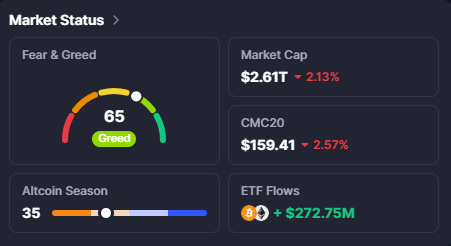
But what is stopping Bitcoin from reaching higher prices, particularly with bottom signs emerging? One of the factors hindering the asset’s momentum is the uncertainty around the CLARITY Act.
On Tuesday, Bitcoin dropped from $78,244 as the crypto market structure bill stalled again. Republicans rejected a last-minute counteroffer from the Democrats, as both parties failed to make a breakthrough in passing the bill. This new development sets things back again and puts the bill’s passage in jeopardy.
The setback stirred Bitcoin downward again. As always, the outcome of the bill has influenced the asset’s trajectory. With the chances of passage getting slimmer by the day, Bitcoin could continue to consolidate or trend lower.
ETF outflows, too, have not helped matters. The investment vehicles recorded net daily outflows for four consecutive days before yesterday’s $160 million inflow. During those days, a total of $461 million left the funds, as clients pulled back from BTC exposure.
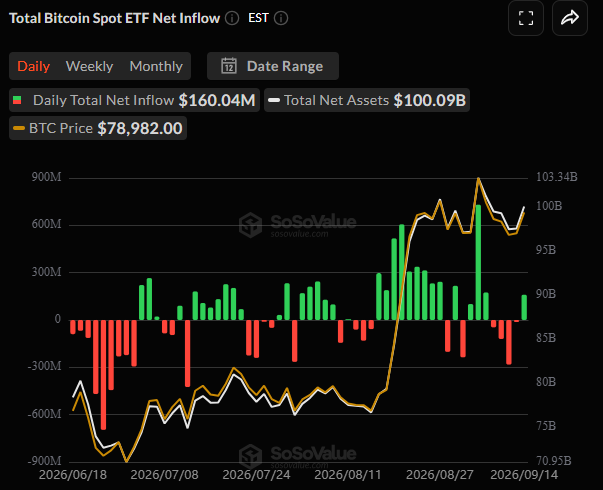
If institutional traction remains subdued and macro factors remain negative, Bitcoin might not experience the strong rebound that holders are massively expecting.





 Evans Kelvin