
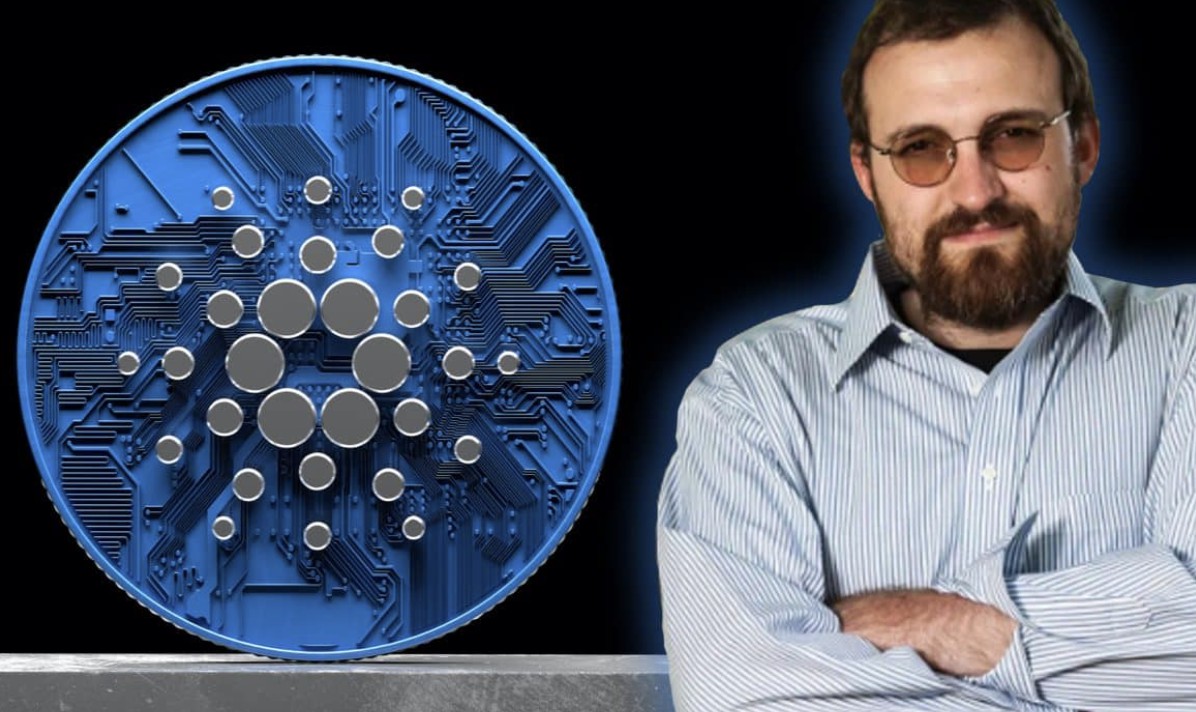
In today’s crypto update, Cardano founder Charles Hoskinson has criticized the network’s Delegated Representatives (DReps).
In an exchange on X, he argued that their decisions are preventing the ecosystem from pursuing valuable commercial opportunities. His remarks have sparked fresh debate over governance, funding priorities, and Cardano’s ability to secure strategic business partnerships.
Hoskinson Responds to DRep’s Concerns Over Cardano Partnerships
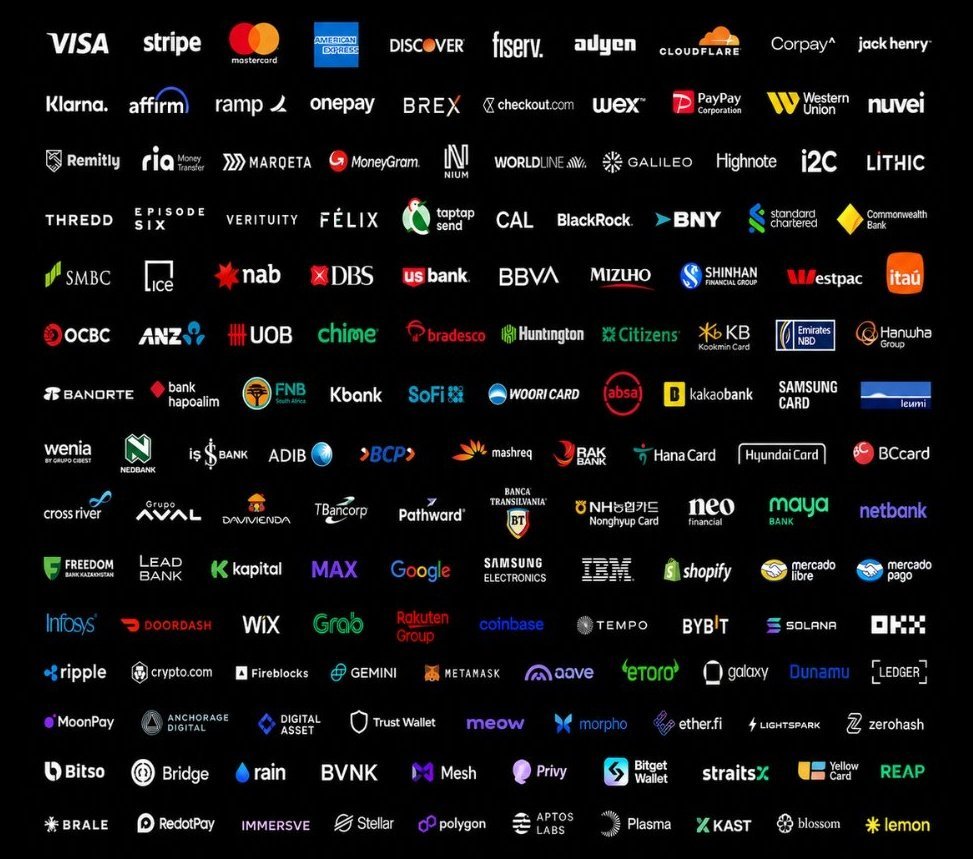
Notably, Hoskinson’s remarks came in response to a post by Cardano DRep Jaromir Tesar. The DRep questioned why Cardano’s major ecosystem organizations were missing from a list showcasing Circle’s commercial partners.
The image featured companies such as Visa, Mastercard, Stripe, and Ripple. However, it did not include Input Output Global (IOG), EMURGO, the Cardano Foundation, or the Midnight Foundation.
Tesar described the omission as disappointing and said he hoped it would change. In a separate post, he also urged Cardano to pursue integration with Open USD (OUSD). He added that bringing OUSD to Cardano could strengthen the network’s DeFi ecosystem.
Responding to those concerns, Hoskinson took a direct jab at Tesar. He argued that Tesar should not complain about Cardano’s lack of commercialization while voting against proposals designed to commercialize the ecosystem. According to Hoskinson, the IOG research team spent hundreds of hours preparing the proposal. Yet, Tesar was among the DReps who voted against it.
As a result, Cardano missed strategic collaborations. Hoskinson added that integrating products such as OUSD is relatively easy. He stressed that the real challenge is deploying capital to support these initiatives and turn potential partnerships into reality.
Latest Criticism Extends Hoskinson’s Governance Feud
The latest criticism adds to Hoskinson’s long-running disagreements with Cardano DReps over governance and treasury funding. In May 2026, the Cardano founder expressed disappointment after some Japanese DReps voted against a key research proposal submitted by Input Output Global (IOG).
In an X post, Hoskinson warned that Cardano could lose its scientists and research laboratory if the proposal failed to secure approval. He urged ADA holders to delegate their voting power to DReps who support Cardano’s long-term research objectives.
The proposal also sparked debate within the governance community. Cardano DRep Yuta criticized parts of the IOG proposal and suggested splitting it into two separate proposals for independent review. Hoskinson rejected the suggestion, stating that IOG would not resubmit the proposal if it failed to pass. His response fueled further disagreement and highlighted the growing tension between the project’s founder and some members of Cardano’s decentralized governance system.
Community Divided Over Hoskinson-Tesar Exchange
Meanwhile, the exchange between Hoskinson and Tesar divided the Cardano community, with users taking different sides in the governance dispute. Some community members backed Tesar, arguing that many of Input Output Global’s previous proposals had received funding largely based on trust.
Others urged Hoskinson to calm down, saying that not every disagreement or vote against an IOG proposal should be viewed as an attack on the company or its research efforts. On the other hand, some users sided with Hoskinson and openly criticized Tesar for voting against the research proposal while later expressing concern about Cardano’s lack of commercialization.
They argued that rejecting funding for research and ecosystem development makes it harder for Cardano to pursue strategic partnerships and commercial initiatives. The differing reactions underscore the growing divide within the Cardano community over how treasury funds should be allocated and how the network should balance decentralized governance with its long-term commercial ambitions.





 The CoinRemark Team
 Evans Kelvin